
How do images impact core web vitals?
Images play a significant role in the overall performance of a website, particularly when it comes to Core Web Vitals. These metrics, set by Google, measure user experience aspects such as loading speed, interactivity, and visual stability. Understanding how images influence these factors is essential for optimising your site’s SEO and ensuring a smooth user experience.
High-quality images can enhance visual appeal but may also increase page load times if not properly optimised. Balancing image quality with performance is crucial to meet Core Web Vitals thresholds. By carefully selecting and optimising images, you can improve your site’s ranking and user satisfaction simultaneously.
Large, uncompressed images often slow down the Largest Contentful Paint (LCP), one of the key Core Web Vitals metrics. Utilising appropriate formats like WebP, resizing images to fit their display dimensions, and implementing lazy loading can significantly reduce load times. Additionally, serving images via a Content Delivery Network (CDN) helps deliver them faster to users regardless of their location.
Cumulative Layout Shift (CLS) can be impacted by images that load unpredictably, causing content to move around the page. Specifying image dimensions in the HTML ensures the browser allocates the right amount of space before the image loads, reducing unexpected shifts. This small adjustment supports better visual stability and a smoother browsing experience.
Interactivity, measured by First Input Delay (FID), is less directly affected by images but can suffer if image files block the main thread. Optimising images to load asynchronously and deferring offscreen images preserves responsiveness, helping your site maintain excellent Core Web Vitals scores.
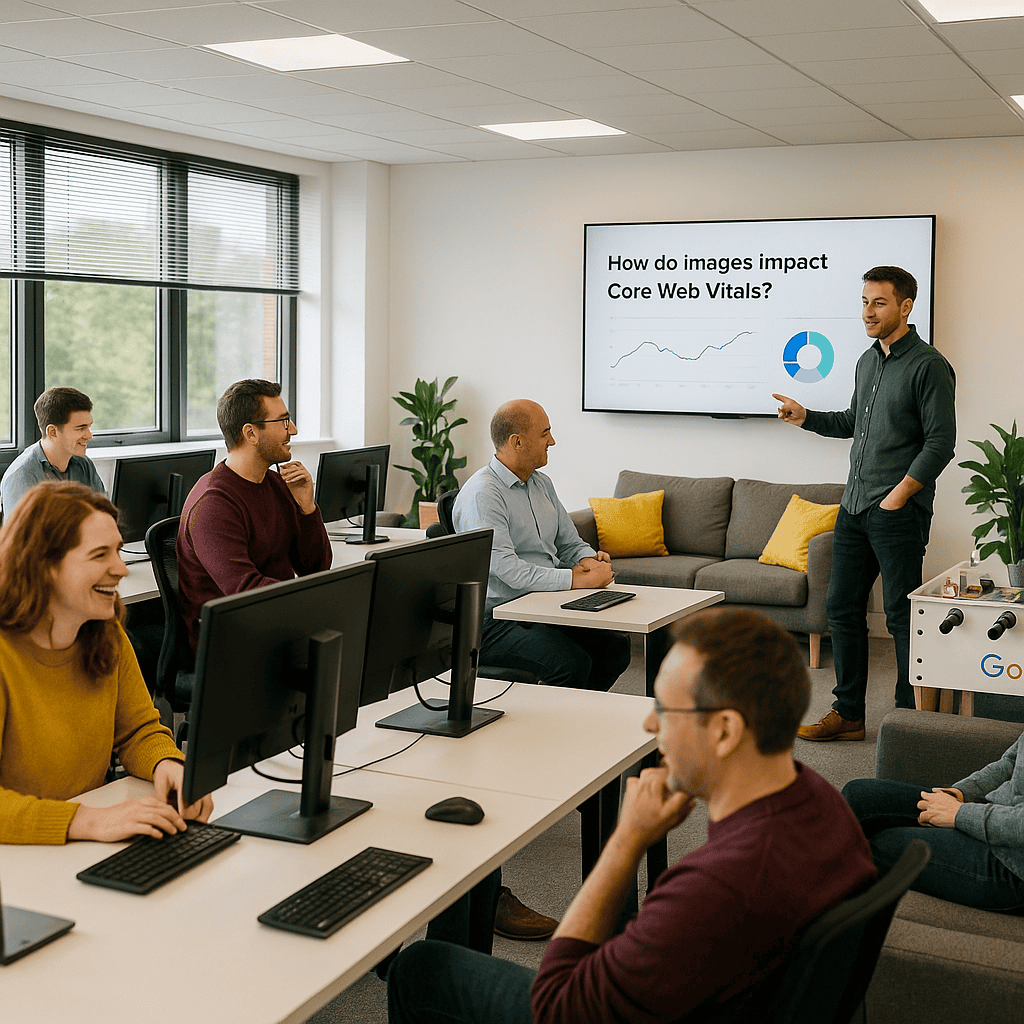
In conclusion, optimising images is a vital part of improving Core Web Vitals and overall site performance. Through careful compression, choosing modern formats, and ensuring proper sizing, you can achieve faster load times and a more stable layout.
By reducing page load delays and visual instability, you not only enhance user experience but also strengthen your SEO efforts. Consistent attention to image performance contributes directly to improved rankings and higher visitor engagement.
Ultimately, well-optimised images create a seamless, enjoyable experience for users, fostering trust and encouraging return visits. Investing time into image optimisation today is an investment in your website’s future success.