
Image Optimisation Mastery
Welcome to our comprehensive guide on Image SEO optimisation, where mastering the art of image optimisation can significantly boost your website’s performance and search engine rankings. In today’s digital landscape, properly optimised images not only enhance user experience but also improve page load speeds, making your site more accessible and engaging.
This expert guide will walk you through best practices for image SEO, covering everything from selecting the right file formats to crafting effective alt text. By implementing these strategies, you’ll ensure your images contribute positively to your overall SEO efforts and help your content stand out in search results.
Top 5 Essential Insights on Image Alt Text for SEO
Using effective alt text for images is a crucial aspect of Image SEO. It helps search engines understand your images, boosts accessibility, and improves page ranking while enhancing user experience.
Descriptive Alt Text
Craft alt text that clearly describes the content and purpose of the image to ensure it is meaningful for search engines and users alike.
Keyword Integration
Integrate relevant keywords naturally within alt text to improve SEO without compromising clarity or user experience.
Avoid Keyword Stuffing
Avoid overloading alt attributes with keywords, as this can be viewed as spammy and harm your SEO performance.
Context Relevance
Ensure the alt text reflects the image's context within the page to maintain relevance and strengthen topical signals for search engines.
Accessibility Benefits
Alt text also aids visually impaired users by providing descriptive information through screen readers, enhancing site accessibility.
Practical Steps to Begin Image SEO
Start by selecting high-quality, relevant images that complement your content. Next, optimize each image’s file size to ensure quick loading without sacrificing clarity.
Then, use descriptive, keyword-rich alt text to improve search engine understanding and accessibility. Finally, organize your images with clear filenames and implement structured data where possible to boost SEO visibility. These foundational steps will set you on the path toward mastering image SEO effectively.
Pitfalls to Watch Out for in Image SEO
One common mistake is neglecting to use descriptive and relevant alt text. Without appropriate alt attributes, search engines struggle to understand the image content, which hampers SEO performance.
Another frequent error is using large, uncompressed images that slow down page loading times. This can negatively impact user experience and search rankings, making image optimization essential.
Lastly, many overlook the importance of file naming conventions. Using generic or irrelevant file names misses an opportunity to include keywords that boost SEO visibility and enhance image discoverability.
Integrating Image SEO into Your Broader SEO Framework
Understanding how image SEO fits into the larger SEO ecosystem is crucial. This section highlights three important aspects where image optimisation supports and enhances your overall SEO efforts.
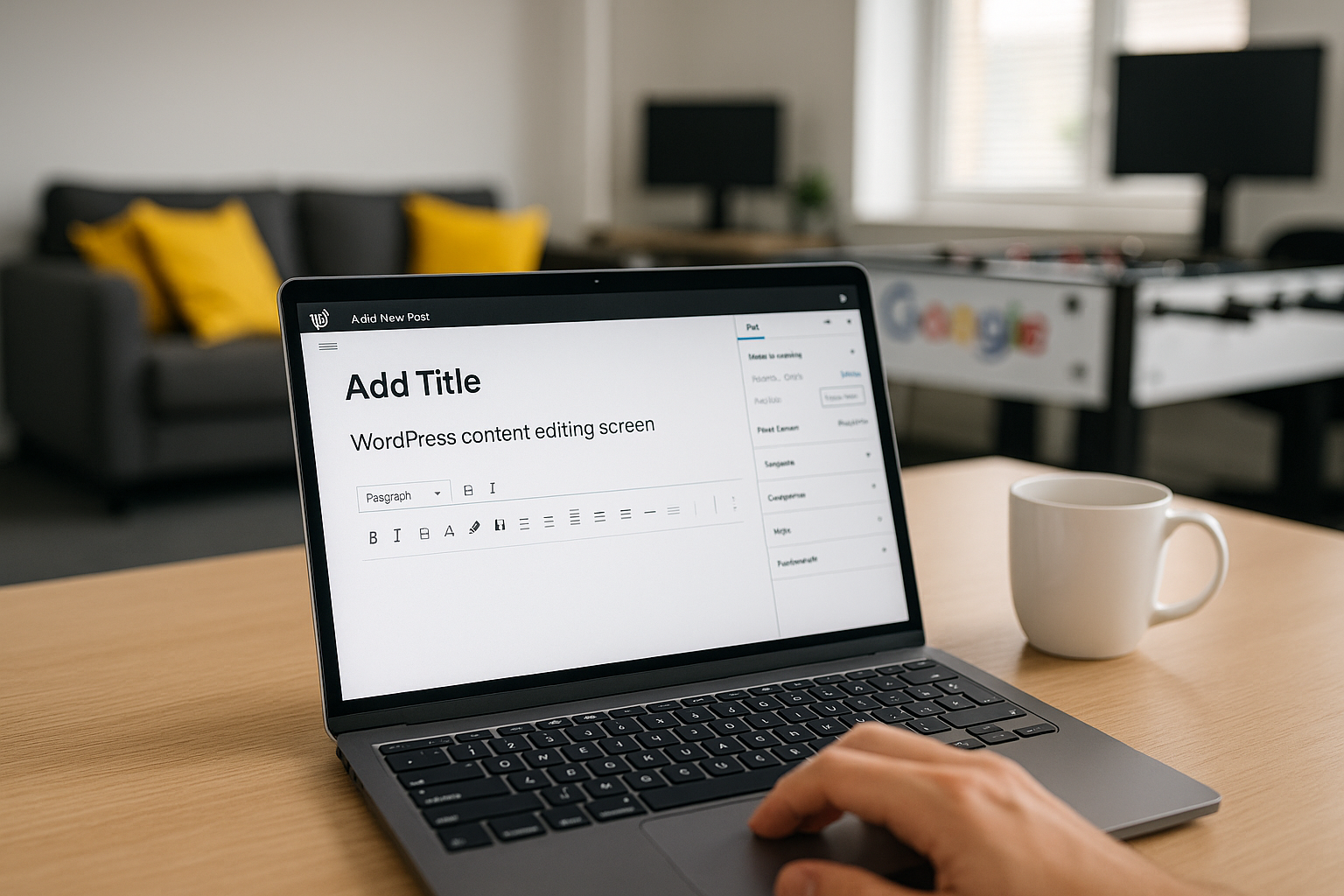
Improved Page Load Speed
Optimising images reduces file sizes, which significantly speeds up page load times, positively influencing user experience and search engine rankings.
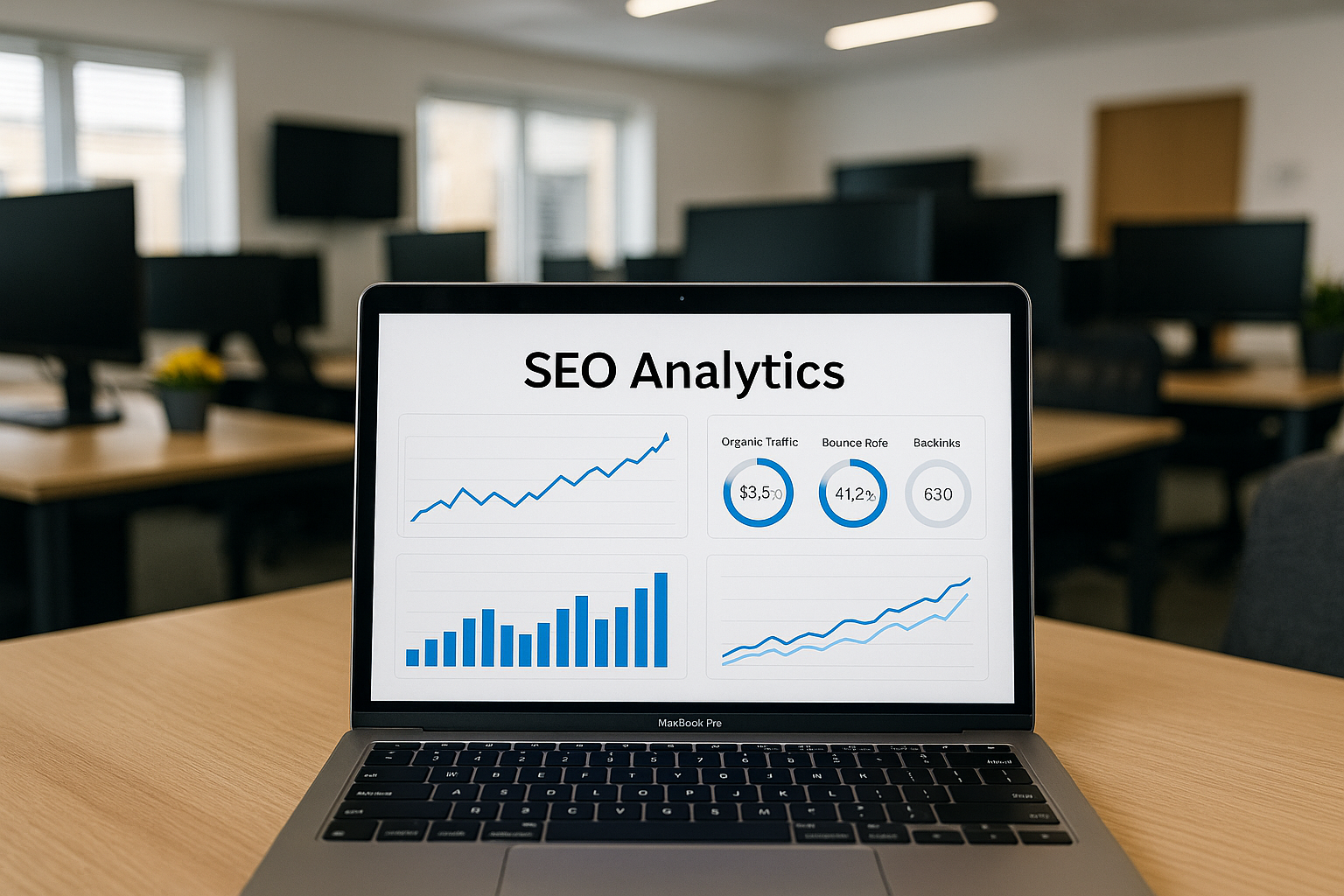
Enhanced Content Accessibility
Effective use of alt text ensures that images provide context for search engines and assistive technologies, making your content more accessible and indexable.
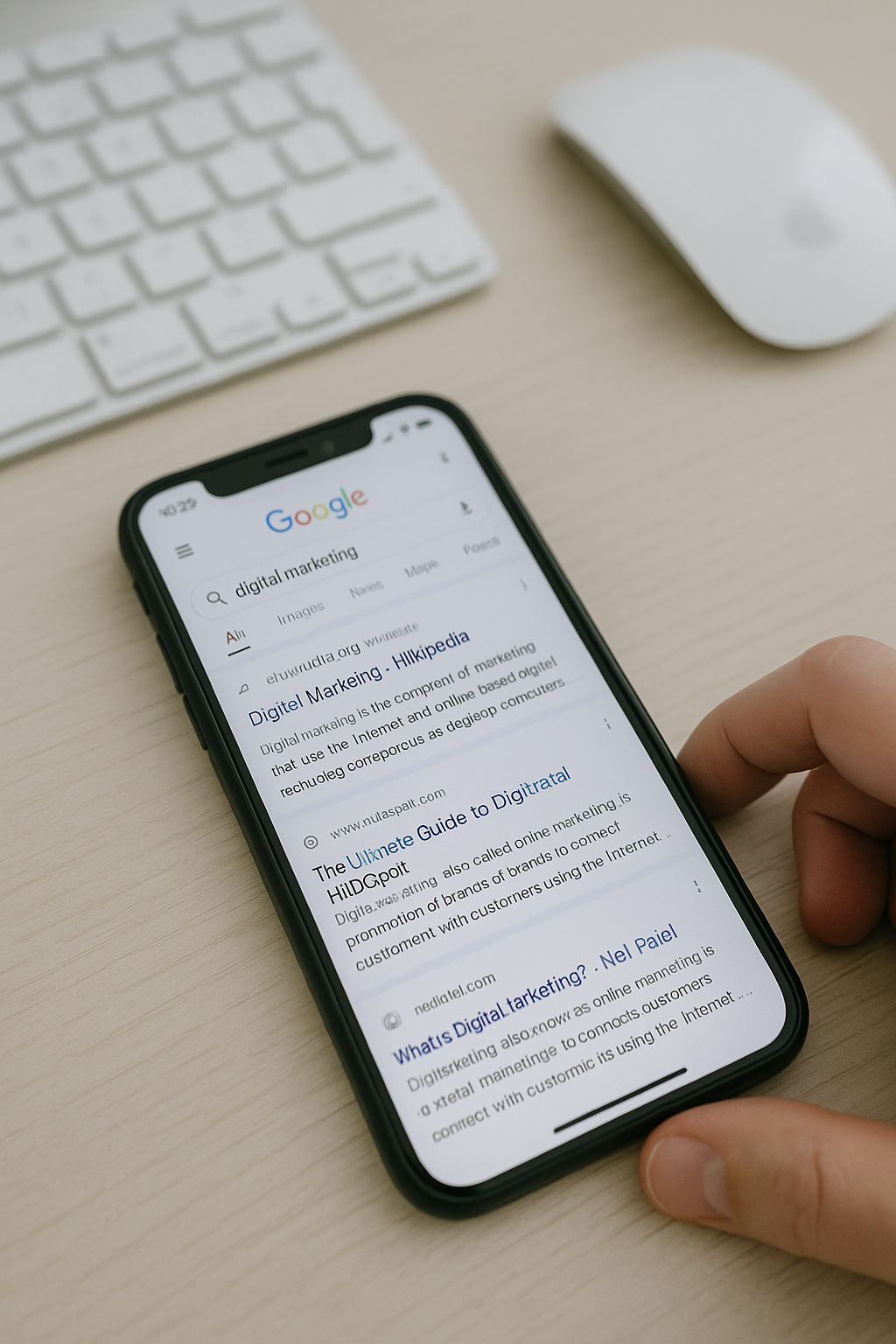
Boosted Organic Visibility
Well-optimised images can appear in image search results, driving additional organic traffic and increasing overall site visibility in search engines.
Top 5 Questions Commonly Asked About Image Alt Text for SEO
What is image SEO?
Image SEO involves optimizing images on a website to improve search engine visibility and user experience. This includes using descriptive file names, alt text, proper sizing, and relevant captions to enhance page load speed, accessibility, and rankings in image search results.
How does image optimisation affect website performance?
Image optimisation significantly enhances website performance by reducing load times and improving responsiveness. This leads to better user experience, higher engagement, and improved SEO rankings. Efficiently compressed and properly formatted images also reduce bandwidth usage, supporting faster page delivery across devices.
What are the best practices for image alt text?
Best practices for image alt text include providing clear, concise descriptions that accurately convey the image's content and purpose, incorporating relevant keywords without keyword stuffing, ensuring accessibility for screen readers, and avoiding redundant phrases like image of to enhance SEO and user experience effectively.
How do images impact core web vitals?
Images significantly impact Core Web Vitals by affecting load times, interactivity, and visual stability. Optimizing image size, format, and delivery ensures faster loading (LCP), reduces layout shifts (CLS), and improves overall user experience, ultimately enhancing search rankings and engagement.
What tools can I use for image optimisation?
For effective image optimization, utilize tools like Adobe Photoshop and Lightroom for advanced editing, TinyPNG and ImageOptim for compression, and online platforms such as Canva and Kraken.io. These solutions enhance load speed and visual quality, improving overall website performance and user experience.