
SEO vs SEM
SEO and SEM are two essential strategies in digital marketing, each offering unique benefits to increase your online presence. SEO (Search Engine Optimization) focuses on organic growth by improving your website’s content and structure to rank higher in search engine results. SEM (Search Engine Marketing), on the other hand, uses paid advertising to generate immediate traffic and visibility.
Understanding the differences between SEO and SEM helps you make informed decisions about where to invest your marketing efforts. By leveraging both strategies effectively, you can build a comprehensive approach that drives sustainable growth and boosts your brand’s reach.
Top 5 Essential Insights on SEO vs SEM
Understanding the differences between SEO and SEM is crucial for optimizing your online marketing efforts. Both strategies aim to increase visibility but use different methods and timelines. Choosing the right approach depends on your goals, budget, and target audience.
Organic vs Paid
SEO focuses on organic search results, while SEM involves paid advertising to appear in search engine listings.
Cost Implications
SEO requires investment in content and optimization, whereas SEM demands a budget for bids and ad spend.
Time to Results
SEO typically takes months to show significant results, but SEM can deliver immediate traffic once campaigns are live.
Targeting Options
SEM allows advanced targeting like demographics and location, while SEO targets broader keyword relevance and site authority.
Long-Term Benefits
SEO builds lasting organic presence over time, making it valuable for sustained online growth beyond paid ads.
Taking Your First Steps in SEO and SEM
Begin by understanding your business goals and identifying your target audience to tailor your SEO and SEM strategies effectively. Start with keyword research to discover terms your customers are searching for, then optimize your website content for SEO to improve organic rankings.
Simultaneously, set up SEM campaigns using paid search ads to gain immediate visibility. Monitor and analyze your results regularly to refine your approach and maximize your marketing ROI.
Pitfalls to Watch Out For
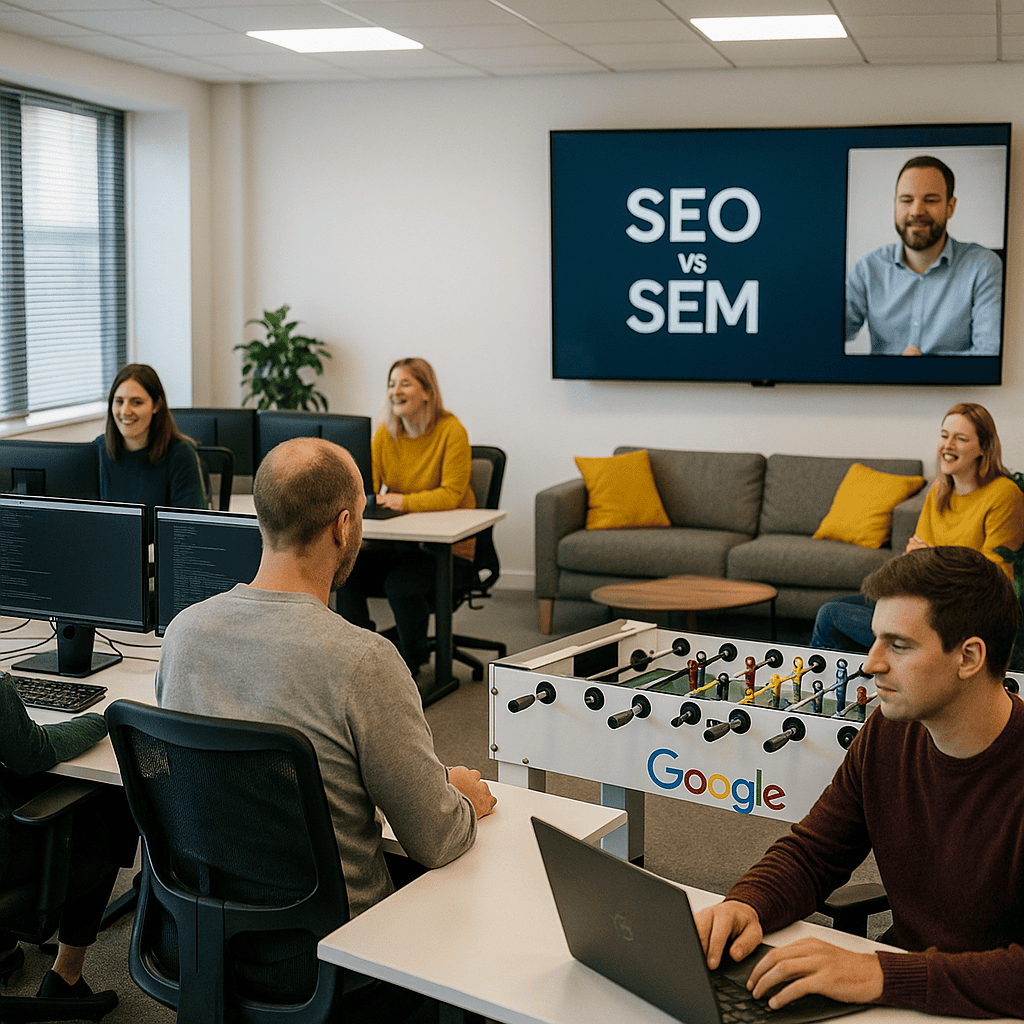
One common mistake is treating SEO and SEM as interchangeable rather than complementary strategies. SEO focuses on organic growth, while SEM involves paid advertising; confusing the two can lead to ineffective campaigns and wasted budgets.
Another error is neglecting regular analysis and adjustment. Both SEO and SEM require continual monitoring of performance metrics. Without this, businesses may miss opportunities to optimize their approach and improve ROI.
Finally, many overlook the importance of keyword research tailored to their target audience. Using generic or highly competitive keywords without strategy can result in poor visibility and low conversion rates for both SEO and SEM efforts.
Integrating SEO vs SEM into Your Broader SEO Strategy
Understanding how SEO and SEM complement a wider SEO strategy is essential. This section highlights three key areas where SEO and SEM intersect and drive overall digital marketing success.
Traffic Diversification
Combining SEO and SEM efforts ensures diverse traffic sources, reducing dependence on a single channel and increasing overall visibility online.
Data-Driven Optimization
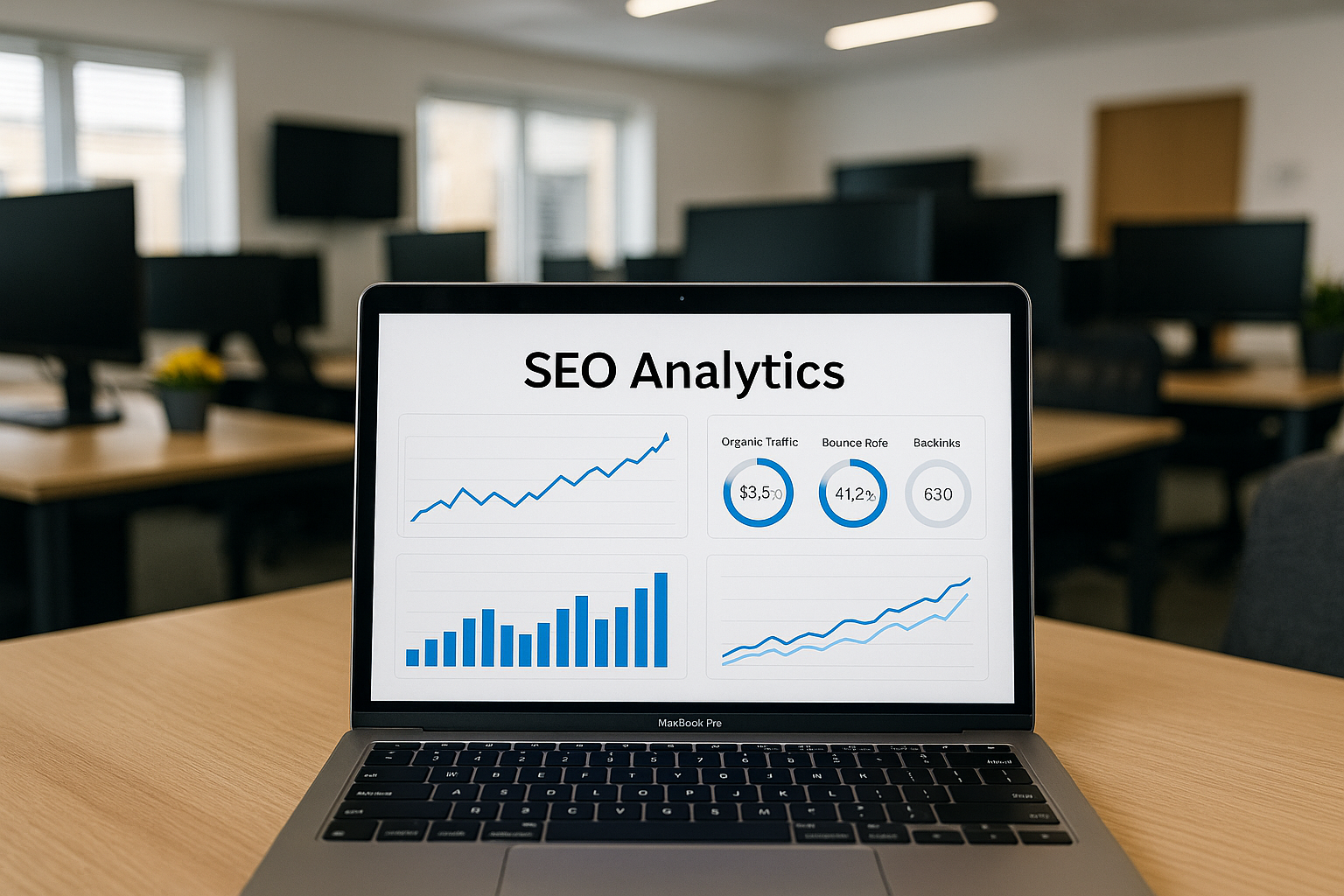
SEM campaigns provide valuable performance data that can inform and improve SEO strategies, helping to refine keywords and content for better organic results.

Target Audience Reach
Using SEO and SEM together allows for broader and more precise targeting, capturing users at various stages of the buyer's journey effectively.
Top 5 Questions Commonly Asked About SEO vs SEM
What is the primary difference between SEO and SEM?
The primary difference between SEO and SEM lies in their approach: SEO focuses on optimizing a website to improve organic search rankings, while SEM involves paid advertising to increase visibility on search engines. Both aim to drive traffic but utilize distinct strategies for audience engagement.
How long does it take to see results from SEO efforts?
SEO results typically start becoming noticeable within 3 to 6 months, depending on factors like competition, keyword difficulty, and website authority. Consistent optimization and quality content are essential for sustained growth, with significant improvements often visible between 6 to 12 months.
Can I use SEO and SEM together?
Yes, integrating SEO and SEM is highly effective. SEO builds long-term organic visibility, while SEM drives immediate traffic through paid ads. Together, they maximize online presence, enhance brand awareness, and improve overall ROI by targeting audiences at different stages of the buying funnel.
Is SEM only about paid search ads?
Search Engine Marketing (SEM) primarily focuses on paid search ads to increase website visibility on search engine results pages. However, it can also encompass strategies like paid display advertising and remarketing to enhance overall search-driven traffic and conversions.
Which is more cost effective: SEO or SEM?
SEO is generally more cost-effective long-term, driving organic traffic without ongoing ad spend, while SEM delivers immediate visibility but requires continuous investment. The best approach often combines both, leveraging SEO for sustained growth and SEM for targeted, fast results.