
PPC Excellence
Pay-per-click (PPC) advertising is a powerful online marketing strategy that allows businesses to attract targeted traffic quickly and efficiently. By paying only when users click on ads, PPC offers precise control over budgets and enables measurable results, making it an essential tool for companies seeking to boost their digital presence.
Understanding how PPC works and its advantages can help you make informed decisions about your marketing efforts. This guide will introduce the fundamental concepts of PPC, helping you harness its potential to drive growth and achieve your business objectives.
Beginning Your PPC Journey: Key Initial Steps
Starting with pay-per-click advertising involves careful planning and clear objectives. Begin by defining your campaign goals, whether they focus on increasing brand awareness, driving website traffic, or boosting sales. Understanding what you want to achieve will guide your strategy and help measure success effectively.
Next, conduct thorough keyword research to identify the terms your target audience is searching for. This ensures your ads appear in relevant searches, maximising the potential for clicks and conversions. Utilising available tools and competitor analysis can provide valuable insights at this stage.
Finally, set a realistic budget and create compelling ad copy that speaks directly to your audience’s needs. Monitor your campaign closely, analyse the results regularly, and refine your approach based on performance data. With a structured start, your PPC campaigns can deliver meaningful results with time and optimisation.
4 Things You Should Know About PPC
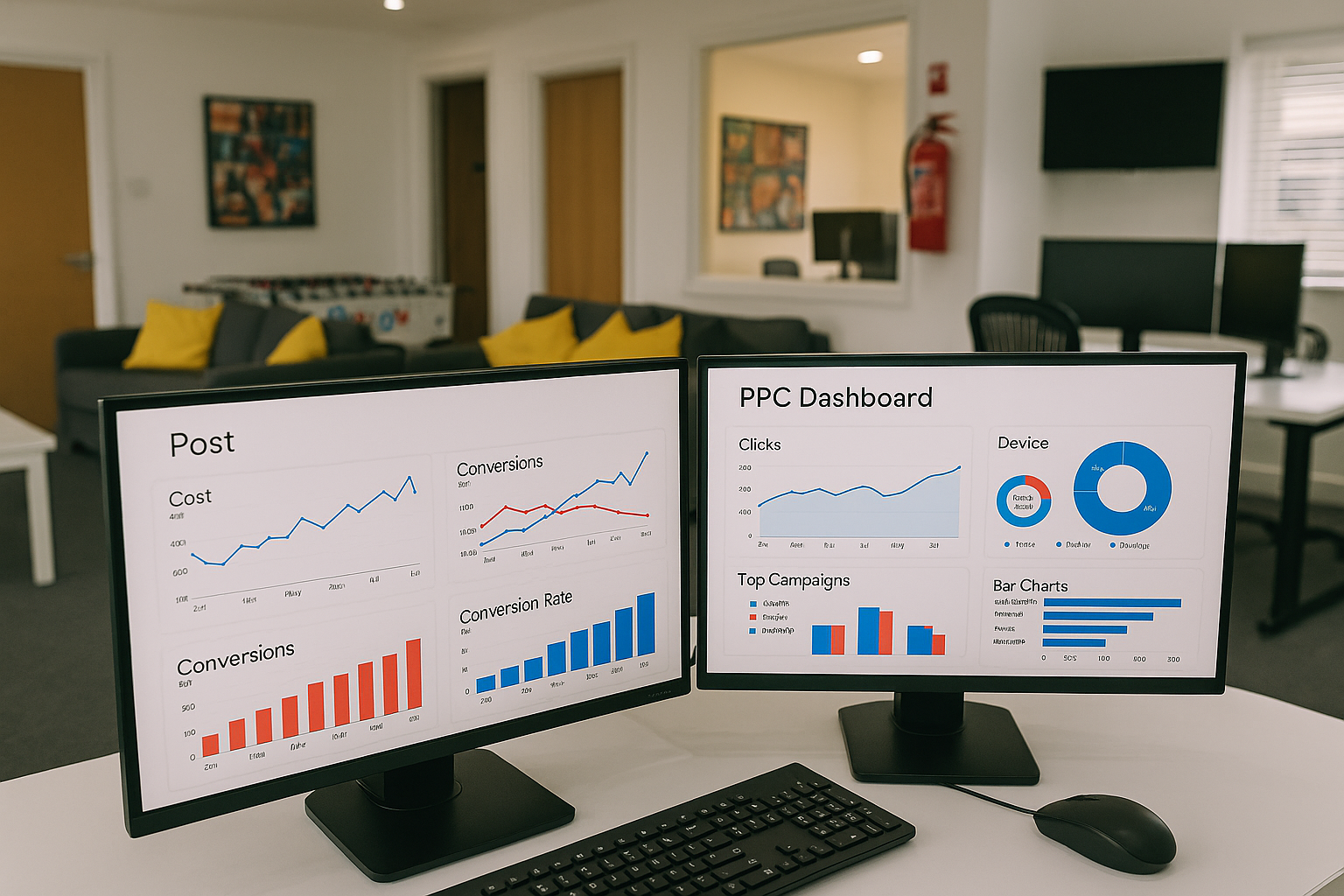
Pay-Per-Click Model
PPC is an advertising model where advertisers pay each time a user clicks on their ad, ensuring cost-effective campaigns.
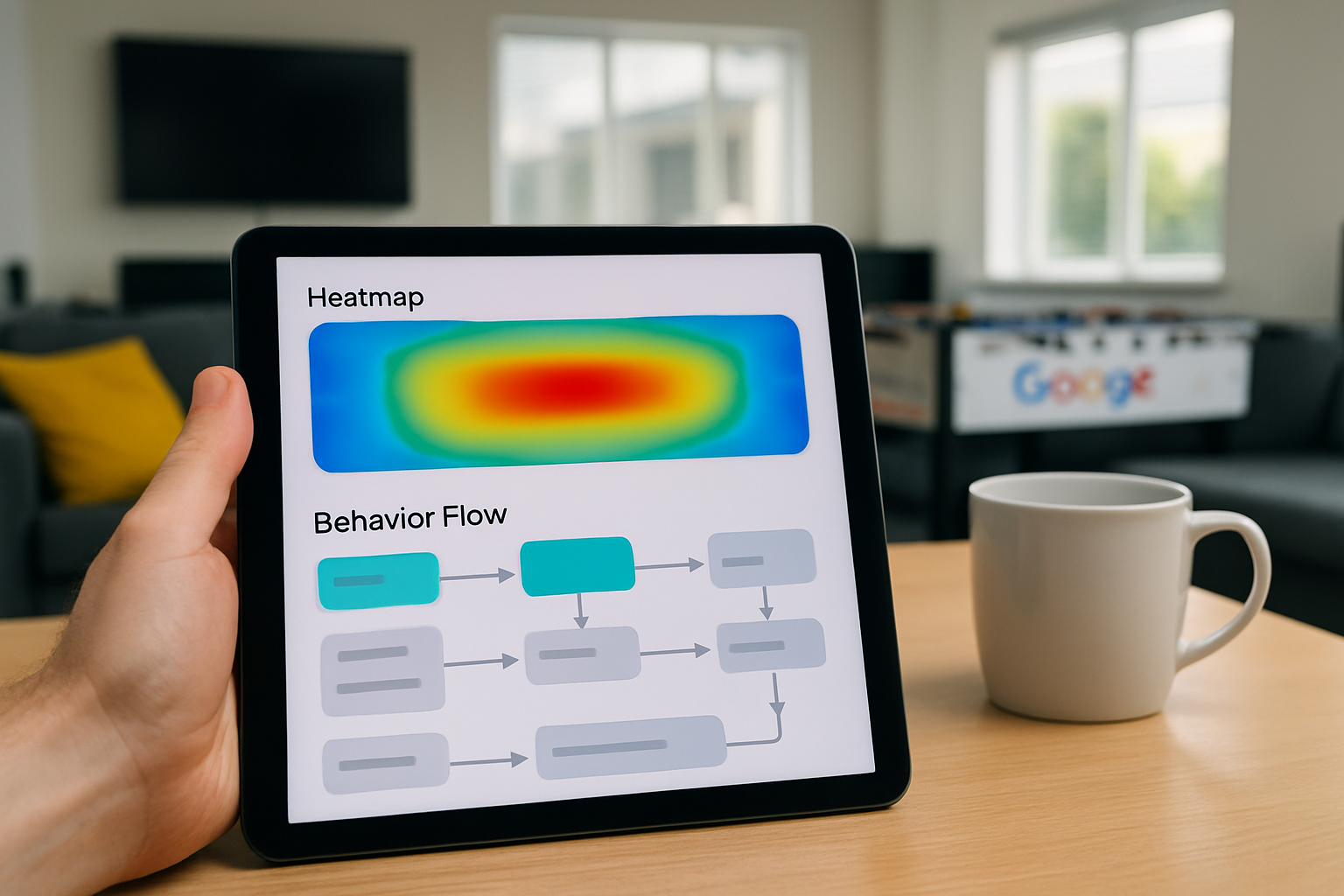
Pay-Per-Click Model
PPC is an advertising model where advertisers pay each time a user clicks on their ad, ensuring cost-effective campaigns.

Instant Traffic Generation
Unlike organic strategies, PPC campaigns can generate immediate website visits by placing ads prominently in search results or partner sites.
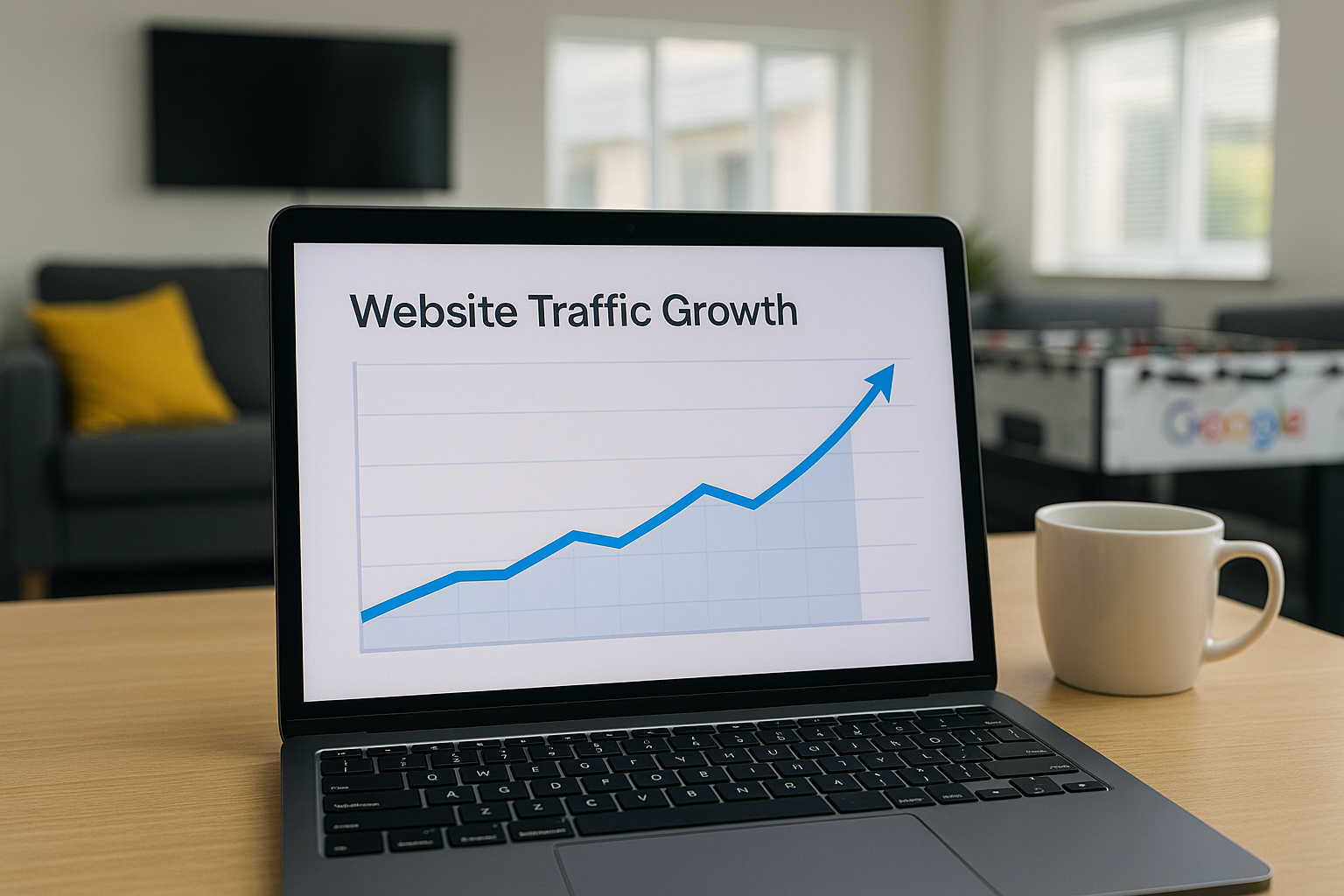
Measurable Results
PPC provides detailed analytics and performance metrics, enabling advertisers to track ROI and optimise campaigns effectively.
Top 5 Mistakes to Avoid in PPC
Understanding common errors can significantly improve your PPC campaigns. Avoid these frequent pitfalls to maximise your advertising effectiveness and return on investment.
Ignoring keyword relevance
Using irrelevant keywords wastes budget and attracts unqualified traffic unlikely to convert into customers or leads.
Neglecting ad copy testing
Failing to test different ad variations limits opportunities to optimise click-through and conversion rates effectively.
Poor budget management
Overspending without tracking results or setting clear limits can quickly deplete funds with minimal positive outcome.
Not utilising negative keywords
Failing to exclude irrelevant search terms leads to wasted impressions and lower campaign efficiency overall.
Ignoring landing page optimisation
A poorly designed or irrelevant landing page can reduce conversions even if your ads attract clicks effectively.
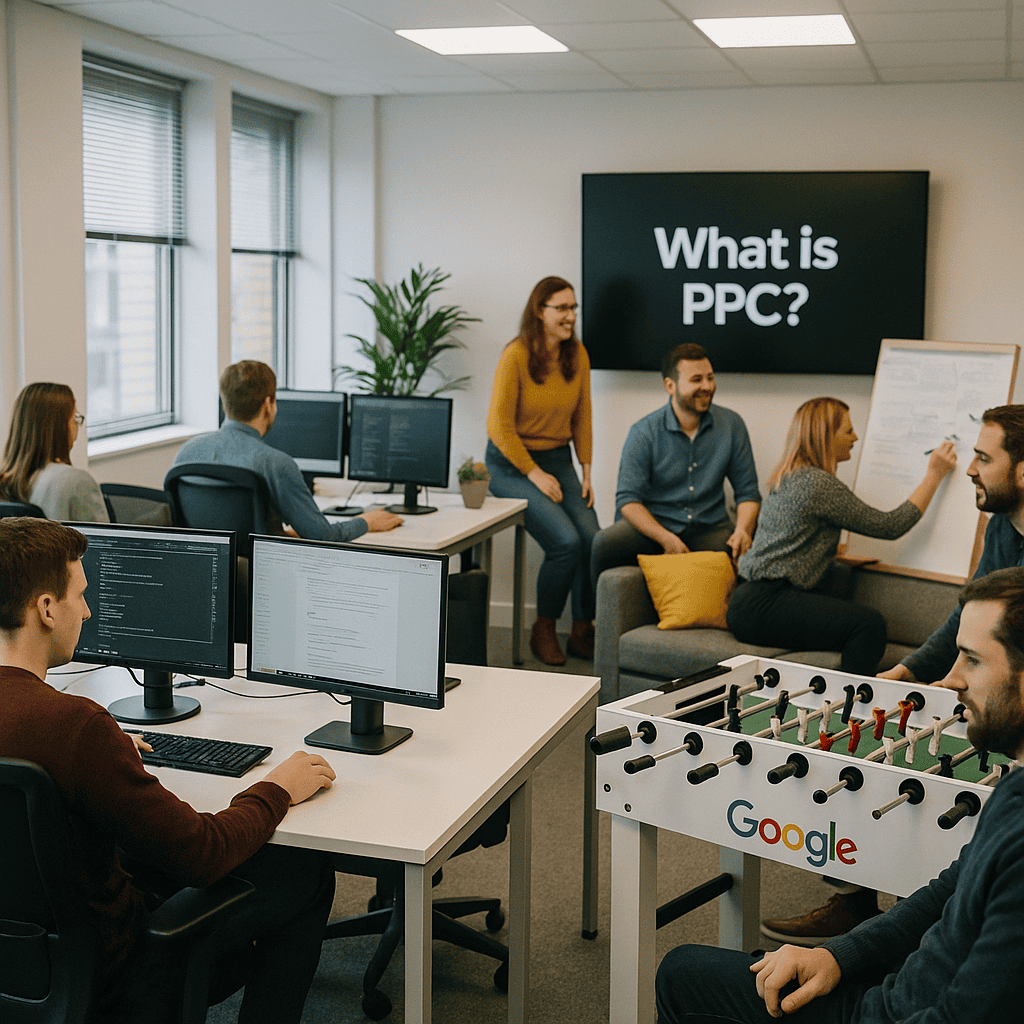
The Role of PPC in Your Overall Marketing Strategy
Pay-per-click (PPC) advertising forms a crucial component of a comprehensive digital marketing strategy. By delivering immediate visibility on search engines, PPC complements long-term efforts such as search engine optimisation and content marketing. This synergy ensures your brand maintains a strong and consistent online presence.
Furthermore, PPC allows for precise targeting and measurable results, enabling marketers to optimise campaigns based on real-time data. This adaptability makes it an invaluable tool for driving qualified traffic and increasing conversion rates efficiently.
Ultimately, integrating PPC with other marketing channels enhances overall campaign performance, helping businesses reach their goals more effectively and maximise return on investment.
Top 5 Questions People Ask About PPC
What is PPC and how does it work?
PPC (Pay-Per-Click) is an online advertising model where advertisers pay a fee each time their ad is clicked. It drives targeted traffic by bidding on keywords, enabling businesses to appear prominently in search engine results and maximize ROI through precise audience targeting.
What are the benefits of PPC advertising?
PPC advertising offers immediate visibility, targeted audience reach, and measurable ROI. It enhances brand awareness, drives qualified traffic, and allows precise budget control, making it an efficient strategy for increasing conversions and accelerating business growth in a competitive digital landscape.
How do I create a PPC campaign?
To create a PPC campaign, define clear goals, conduct keyword research, and select target audiences. Develop compelling ad copy and design landing pages, set a budget, and choose appropriate platforms. Continuously monitor performance metrics to optimize bidding, keywords, and ad creatives for maximum ROI.
What is the difference between PPC and SEO?
PPC (Pay-Per-Click) is a paid advertising model delivering immediate, targeted traffic through ads, while SEO (Search Engine Optimization) involves optimizing website content to improve organic search rankings over time. PPC offers quick results; SEO builds sustainable, long-term visibility.
What should I consider when starting PPC?
When starting PPC, focus on defining clear goals, selecting relevant keywords, and understanding your target audience. Establish a realistic budget, create compelling ad copy, and continuously monitor performance metrics to optimize campaigns, ensuring maximum ROI and effective use of advertising spend.