
Explore Google Alternatives
As digital advertising evolves, exploring alternatives to Google Ads can open new avenues for reaching your target audience. Bing Ads, now known as Microsoft Advertising, offers a robust platform with unique features and demographic reach, making it a compelling choice for businesses aiming to diversify their online marketing strategies.
Choosing the right advertising platform is crucial to maximising your return on investment. By considering Bing Ads, you can tap into a distinct user base and benefit from competitive pricing and advanced targeting options, ensuring your campaigns deliver impactful and cost-effective results.
Getting Started with Bing Ads: A Practical Guide
Embarking on your journey with Bing Ads begins with setting clear advertising goals that align with your business objectives. Start by defining your target audience and understanding how Bing’s unique user base can complement your existing marketing efforts. This clarity will guide your campaign structure and budget allocation effectively.
Next, create a Bing Ads account through the Microsoft Advertising platform, taking advantage of its user-friendly setup wizard. Carefully select your campaign type, whether it’s search, shopping, or display ads, and tailor your keywords to reflect the needs and searches of your intended customers. Remember to leverage Bing’s detailed targeting options for location, device, and demographics.
Finally, monitor your campaign’s performance closely using Bing Ads’ reporting tools. Regularly analysing metrics such as click-through rates and conversions will enable you to optimise your efforts, ensuring you maximise your return on investment. With thoughtful planning and ongoing management, Bing Ads can become a valuable addition to your digital marketing strategy.
4 Things You Should Know About Google Alternatives
Diverse Audience Reach
Alternative platforms often provide access to unique and varied audiences not as easily reached through Google Ads campaigns.

Diverse Audience Reach
Alternative platforms often provide access to unique and varied audiences not as easily reached through Google Ads campaigns.

Competitive Advantage
Using less saturated advertising channels can reduce competition and increase the visibility of your campaigns effectively.
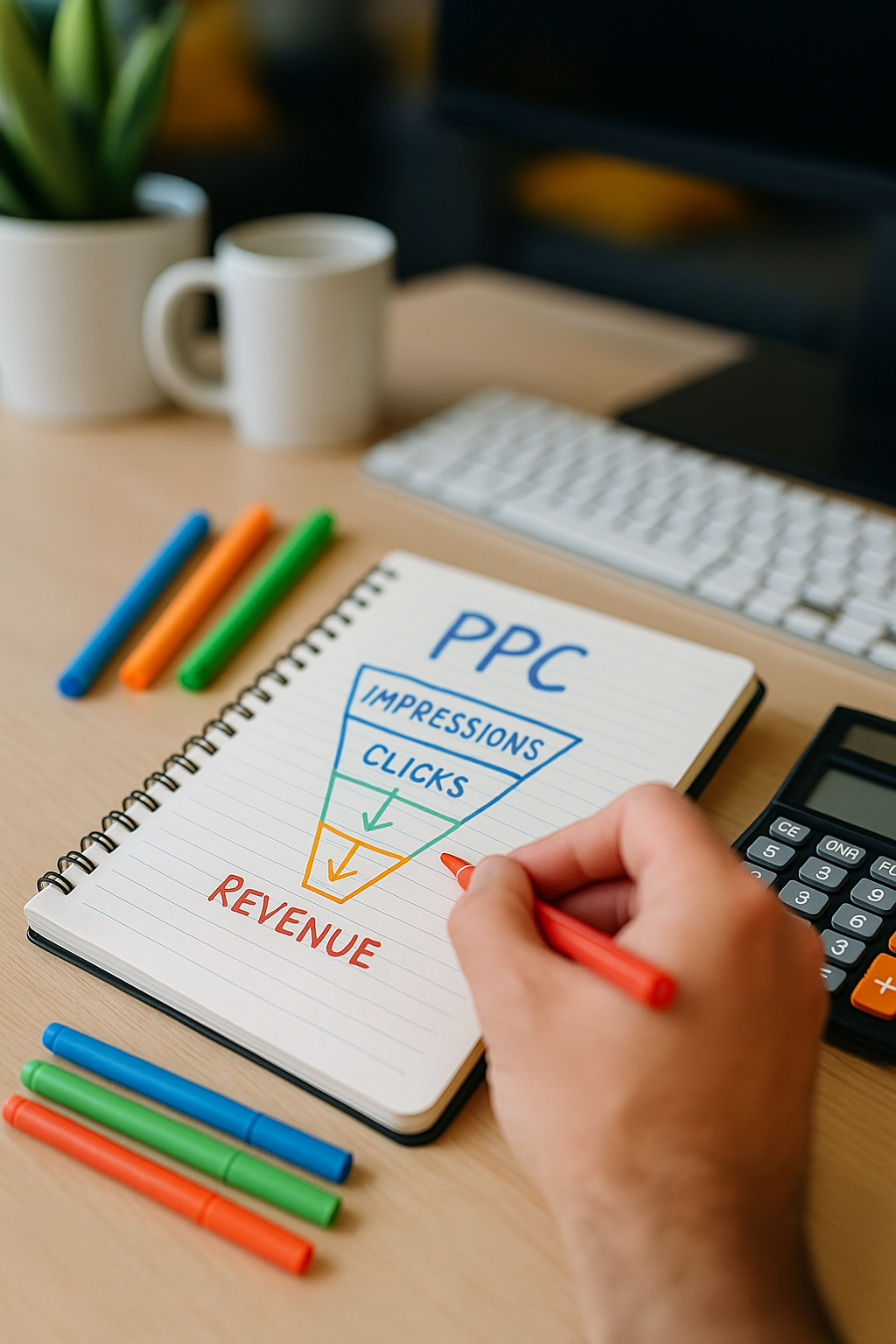
Platform Features Variability
Different advertising platforms provide unique tools and targeting options that can better align with specific campaign goals.
Top 5 Mistakes to Avoid in Google Alternatives
When considering alternatives to Google Ads, it is important to avoid common pitfalls that can limit your campaign’s success and waste resources.
Ignoring platform differences
Failing to adapt strategies to the unique features of alternative platforms can reduce ad effectiveness and audience engagement.
Neglecting audience targeting
Overlooking precise audience segmentation on new platforms may result in irrelevant impressions and lower conversion rates.
Underestimating budget allocation
Allocating insufficient budget without testing can hinder performance and prevent optimisation on less familiar advertising networks.
Overlooking tracking setup
Failing to configure accurate tracking and analytics leads to poor measurement of campaign success and ROI.
Ignoring competitor activity
Not researching competitors' approaches to alternative platforms may cause missed opportunities or unexpected challenges in your campaigns.
Integrating Google Alternatives into Your Broader PPC Strategy
Incorporating alternatives like Bing Ads into your PPC approach broadens your reach beyond the Google ecosystem, allowing access to distinct audience segments. Diversifying platforms helps mitigate risks associated with relying solely on one advertising network, ensuring more consistent campaign performance. Additionally, exploring various channels offers opportunities to optimise spend and enhance overall ROI by leveraging platform-specific advantages and audience behaviours.
Top 5 Questions People Ask About Google Alternatives
Why should I consider Bing Ads over Google Ads?
Consider Bing Ads for its typically lower cost-per-click, less competitive marketplace, and access to a unique audience demographic. It integrates seamlessly with Microsoft platforms, offering advanced targeting options to diversify your paid search strategy and enhance overall ROI alongside Google Ads.
How does Bing Ads compare to Google Ads in terms of targeting options?
Bing Ads and Google Ads both offer robust targeting options, including demographics, location, device, and keyword targeting. However, Google Ads provides more advanced audience segmentation and broader reach, while Bing Ads offers unique LinkedIn profile targeting and often lower CPCs for niche markets.
What are the costs associated with Bing Ads compared to Google Ads?
Bing Ads typically offer lower cost-per-click (CPC) rates and less competition than Google Ads, resulting in more cost-effective campaigns. However, Google Ads provides a larger audience reach and advanced targeting options, which may lead to higher overall costs but potentially greater ROI.
Can I import my Google Ads campaigns into Bing Ads?
Yes, you can import your Google Ads campaigns into Microsoft Advertising (formerly Bing Ads) using the import tool. This feature allows seamless transfer of campaigns, keywords, ads, and settings, enabling efficient management and expansion of your search advertising across both platforms.
What metrics should I track when using Bing Ads?
When using Bing Ads, track key metrics such as click-through rate (CTR), cost per click (CPC), conversion rate, quality score, impression share, return on ad spend (ROAS), and average position. Monitoring these ensures campaign efficiency, budget optimization, and improved targeting for better performance.